September – Camera
During the September, we actively studied the topic of photos, angles, camera shots, also cuts and transitions. It was a nice experience in order to learn how to take pictures using various types of shots. We completed the task where we had to take photographs following all camera angles and shot types with a chosen subject.
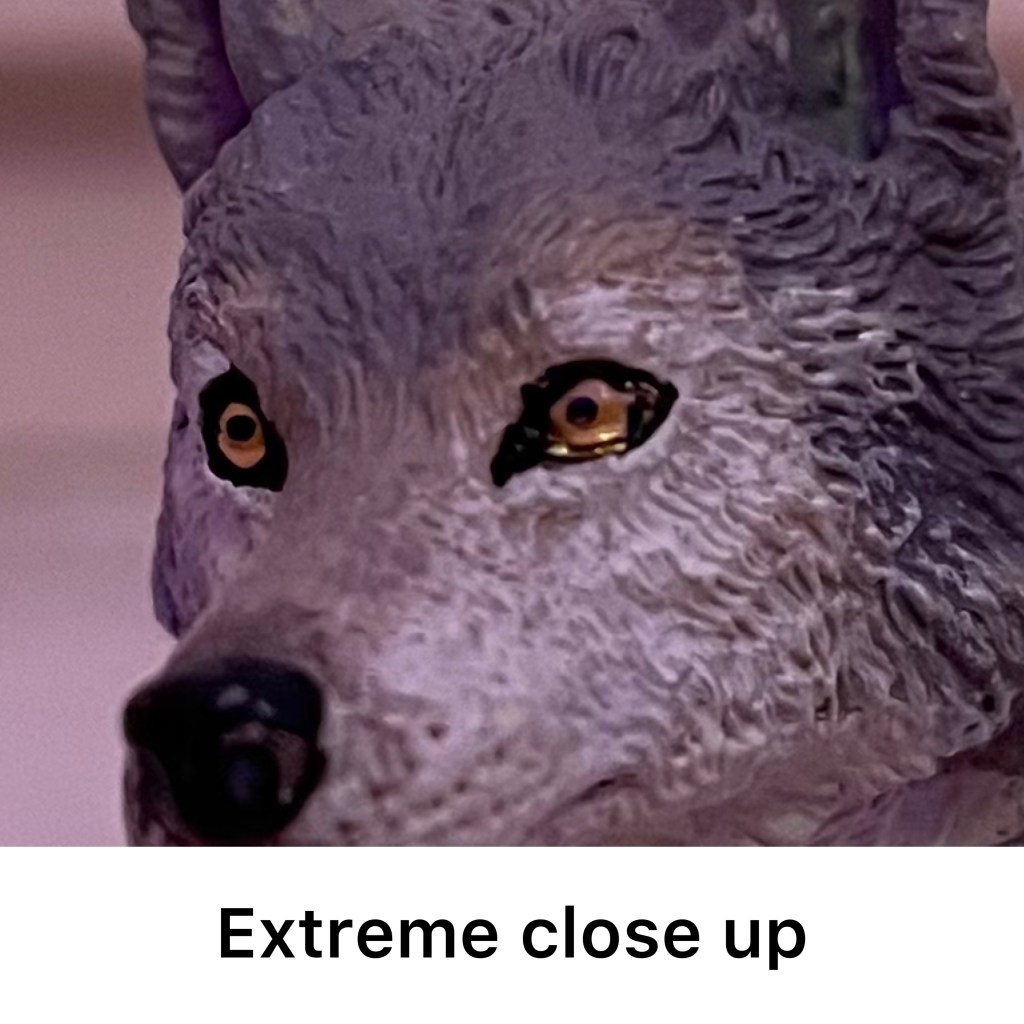

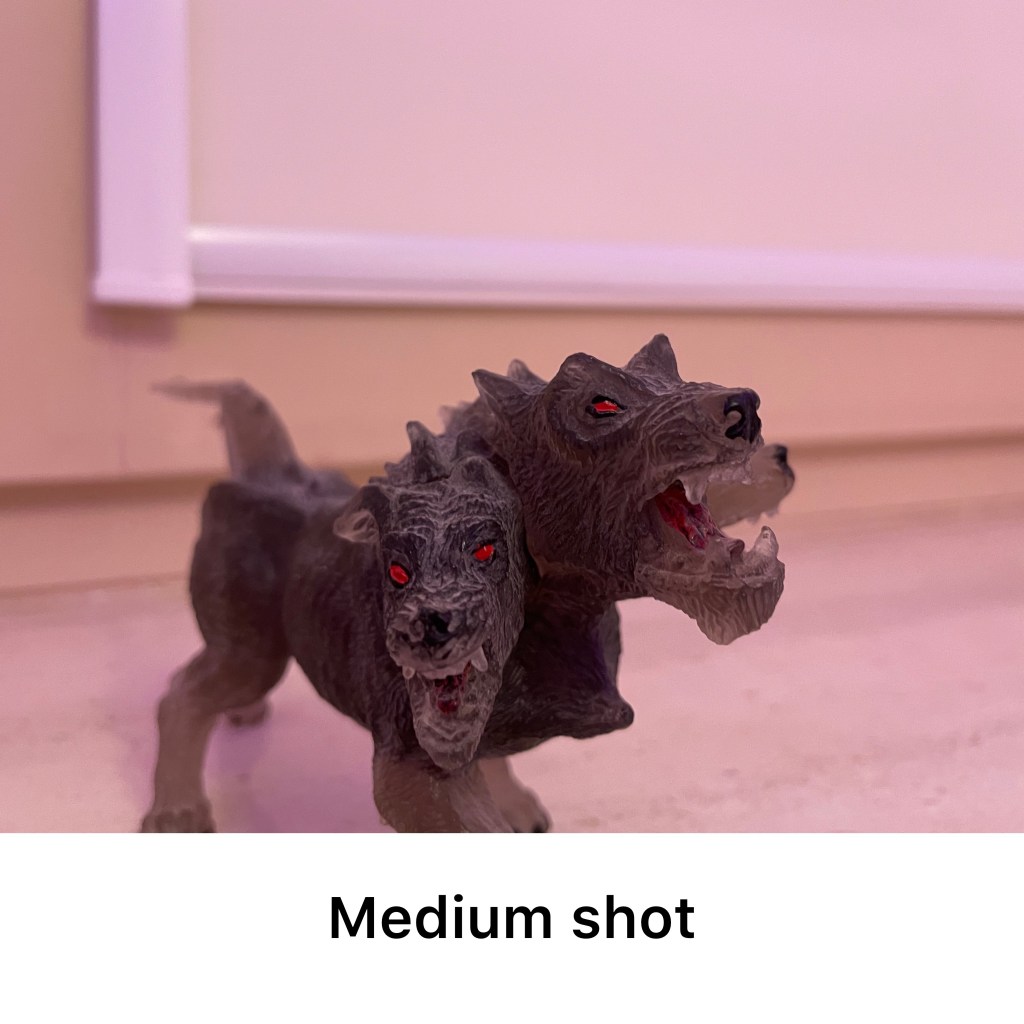
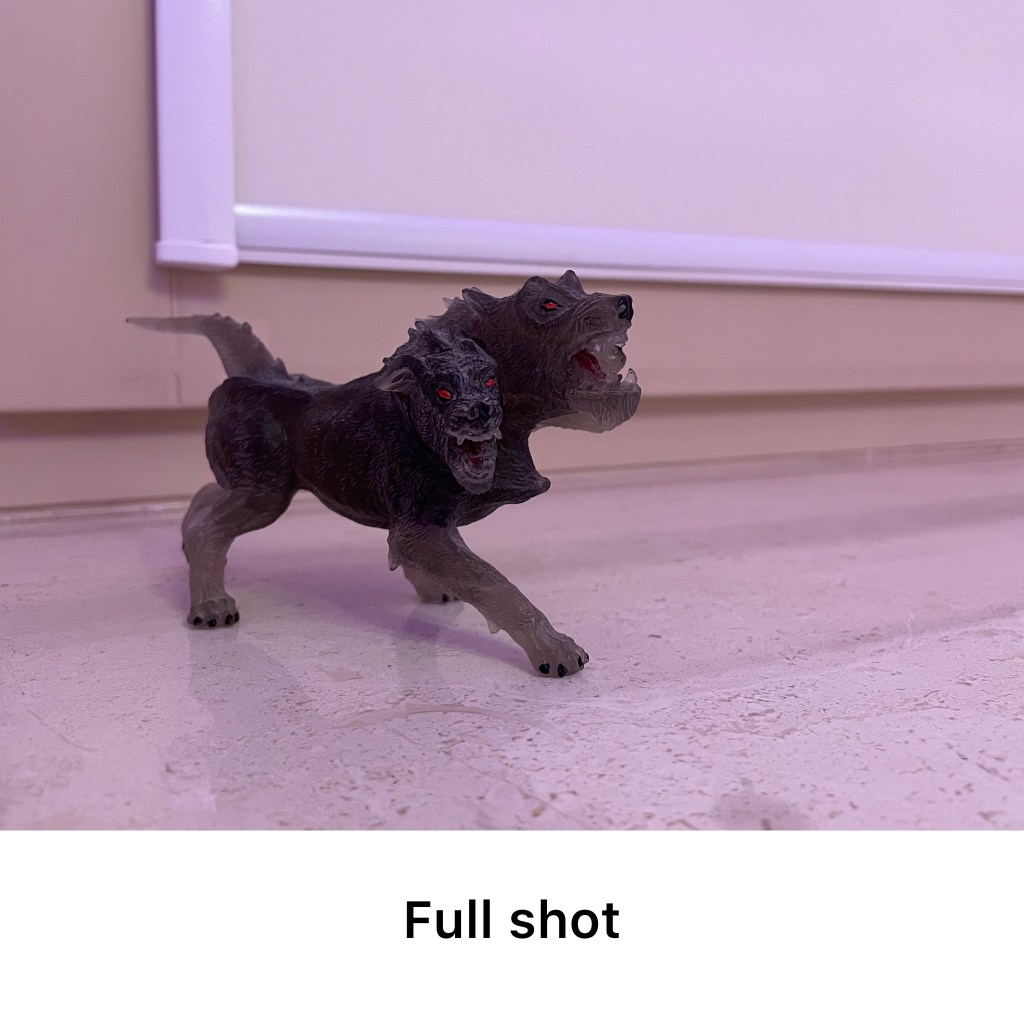
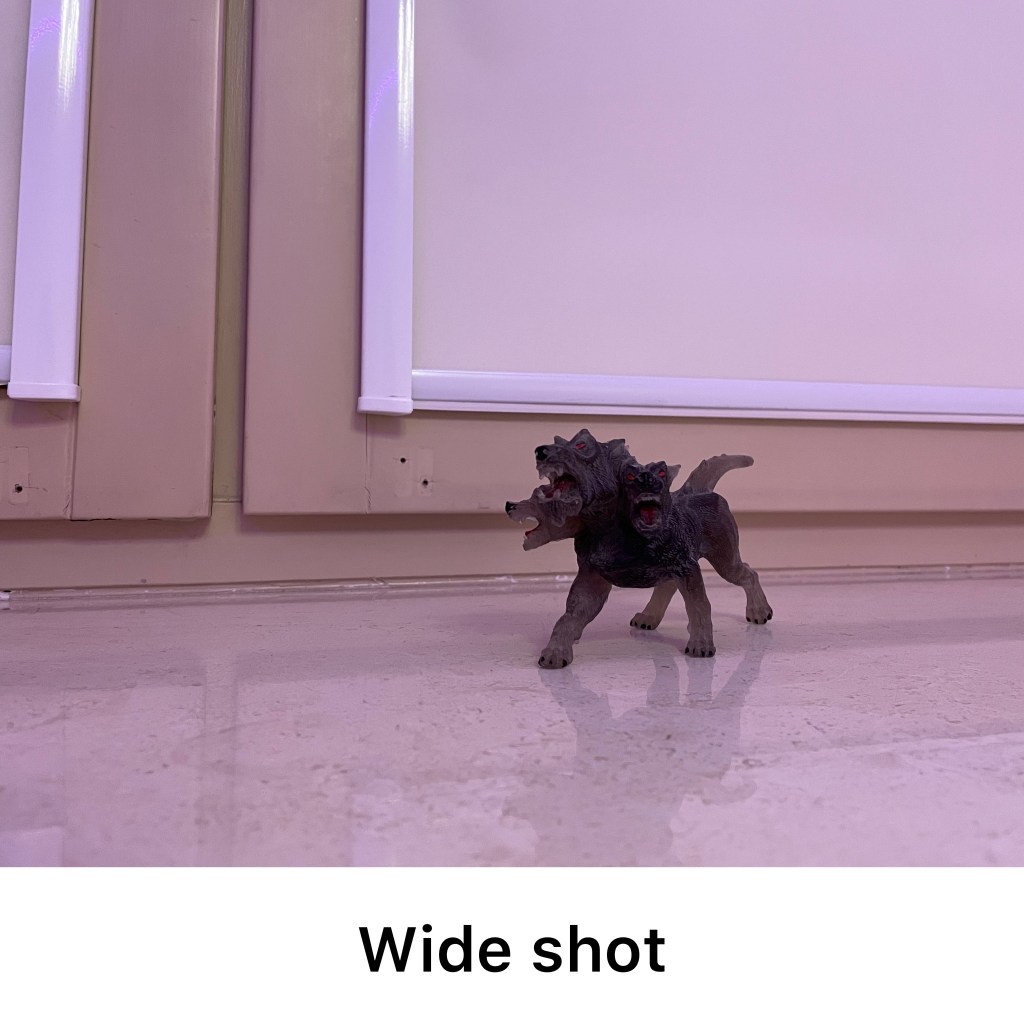
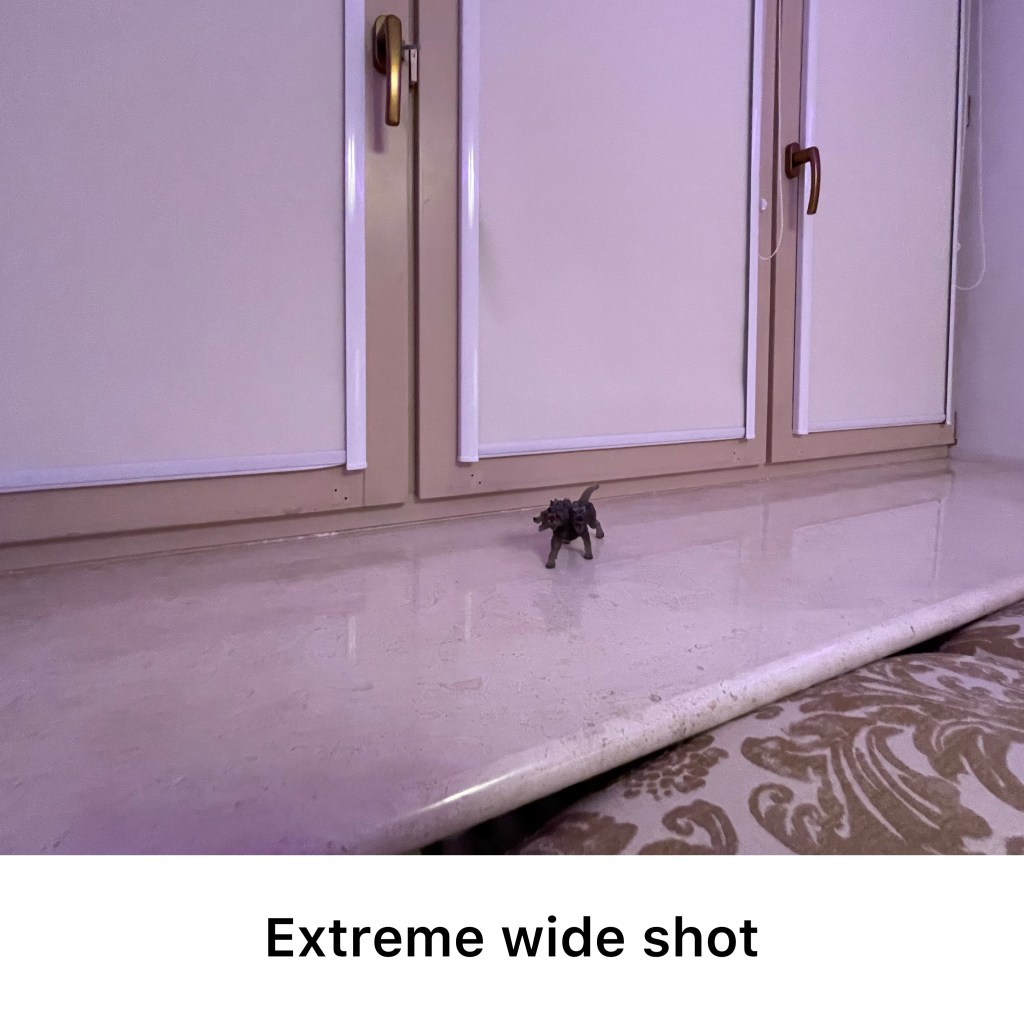
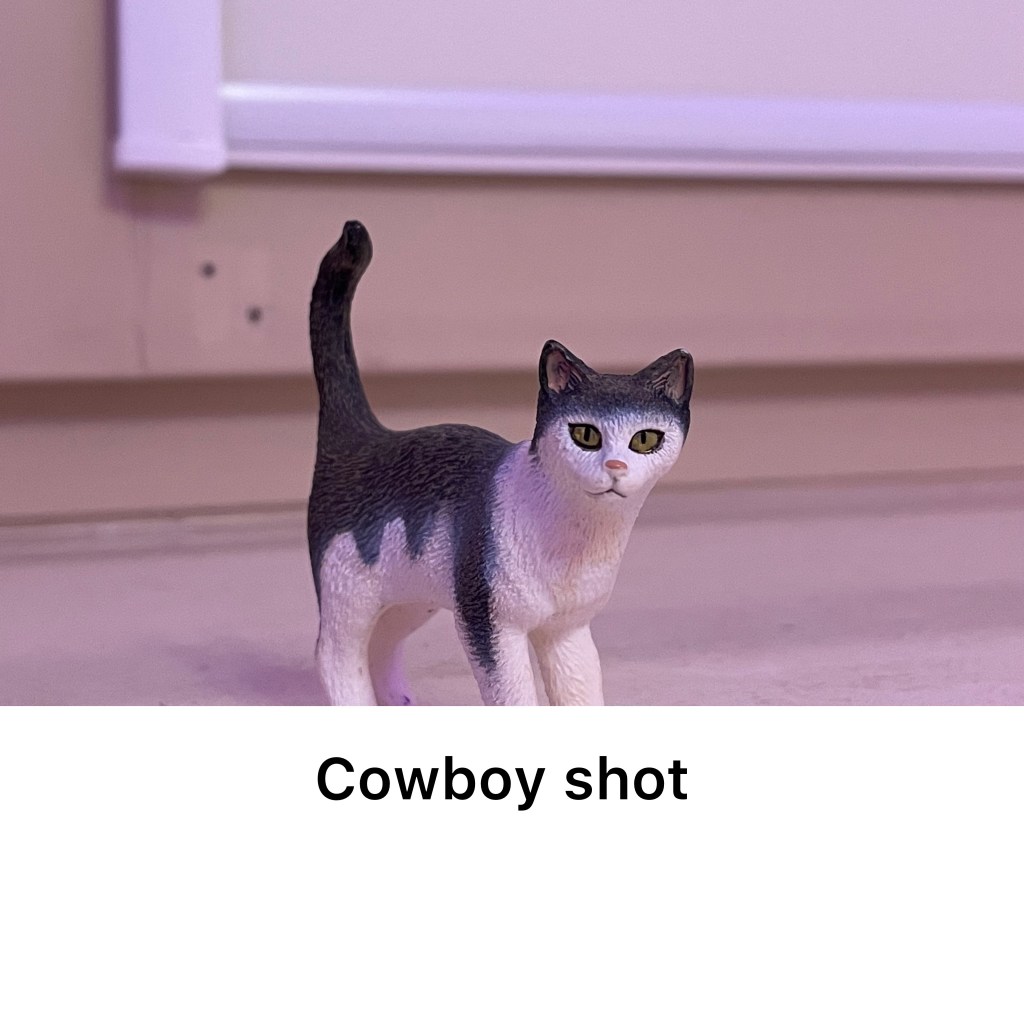
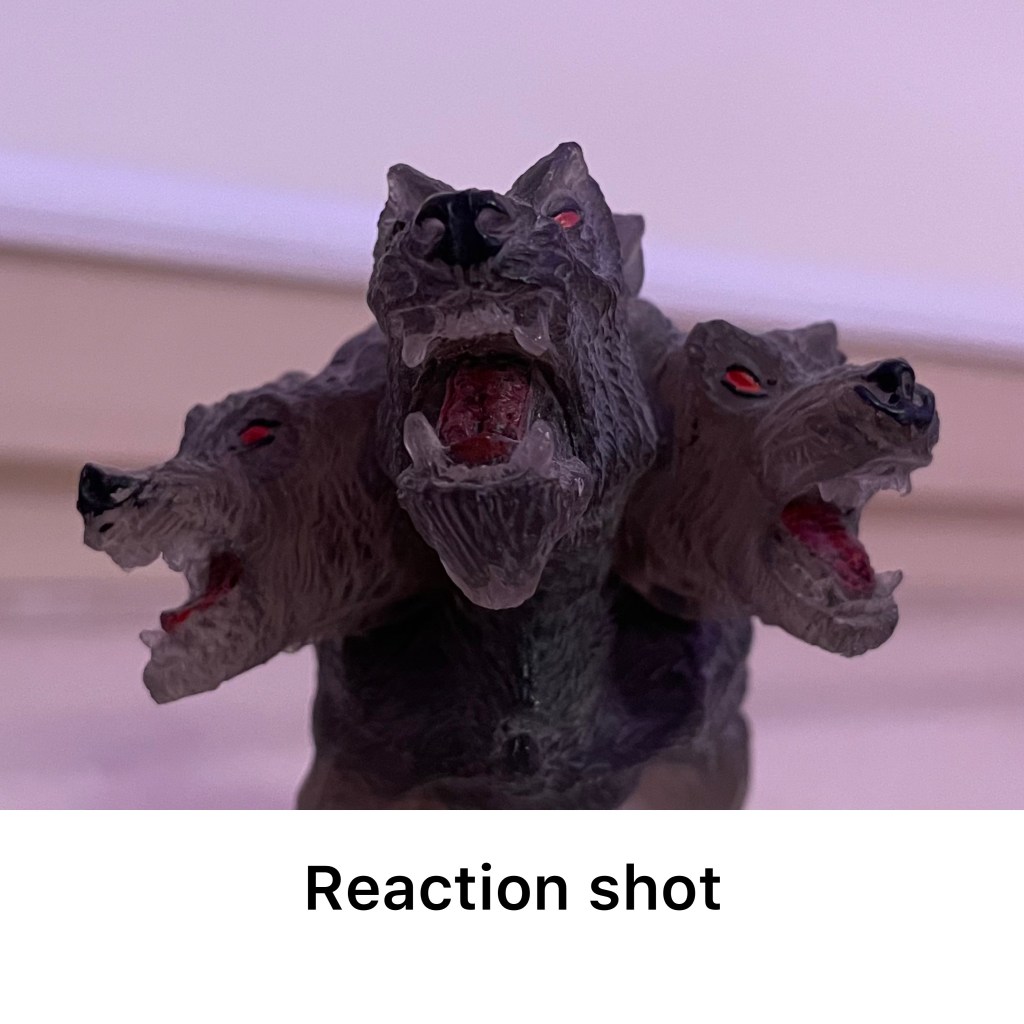
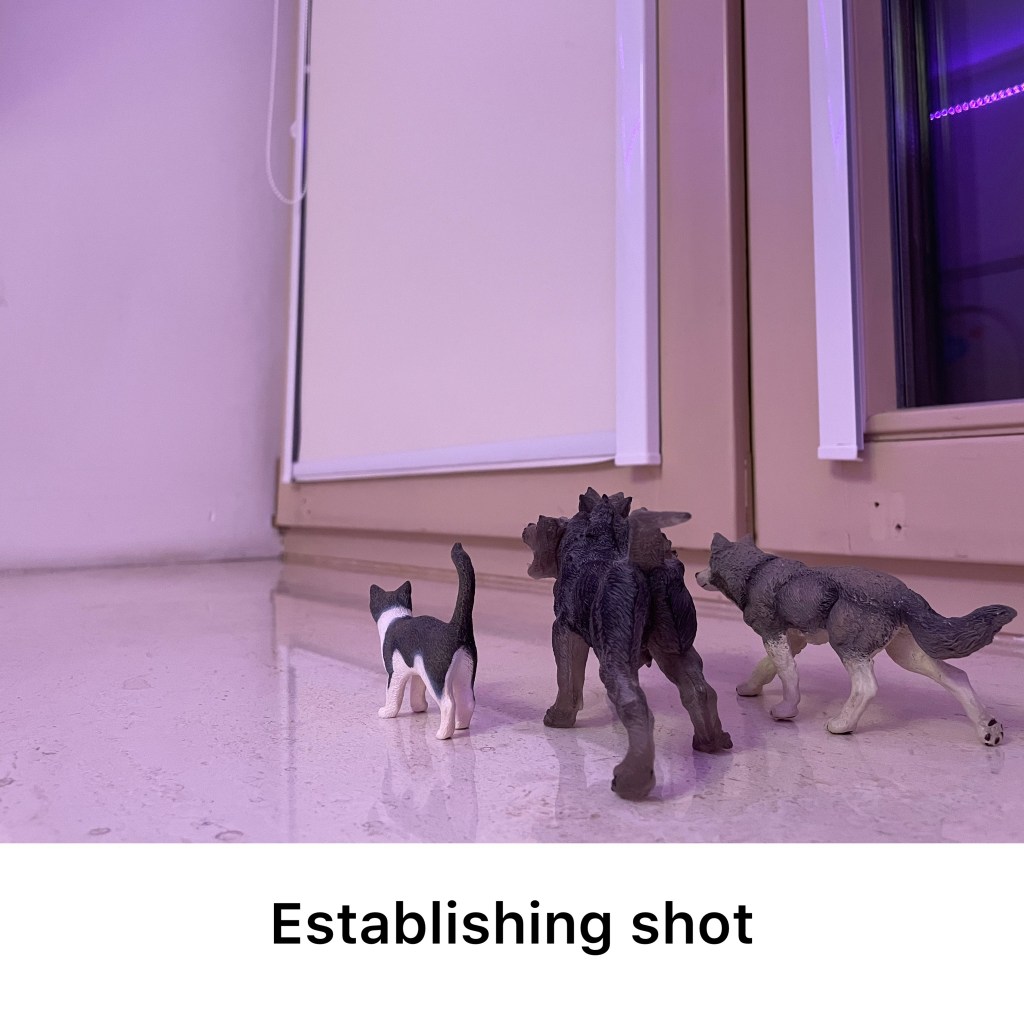
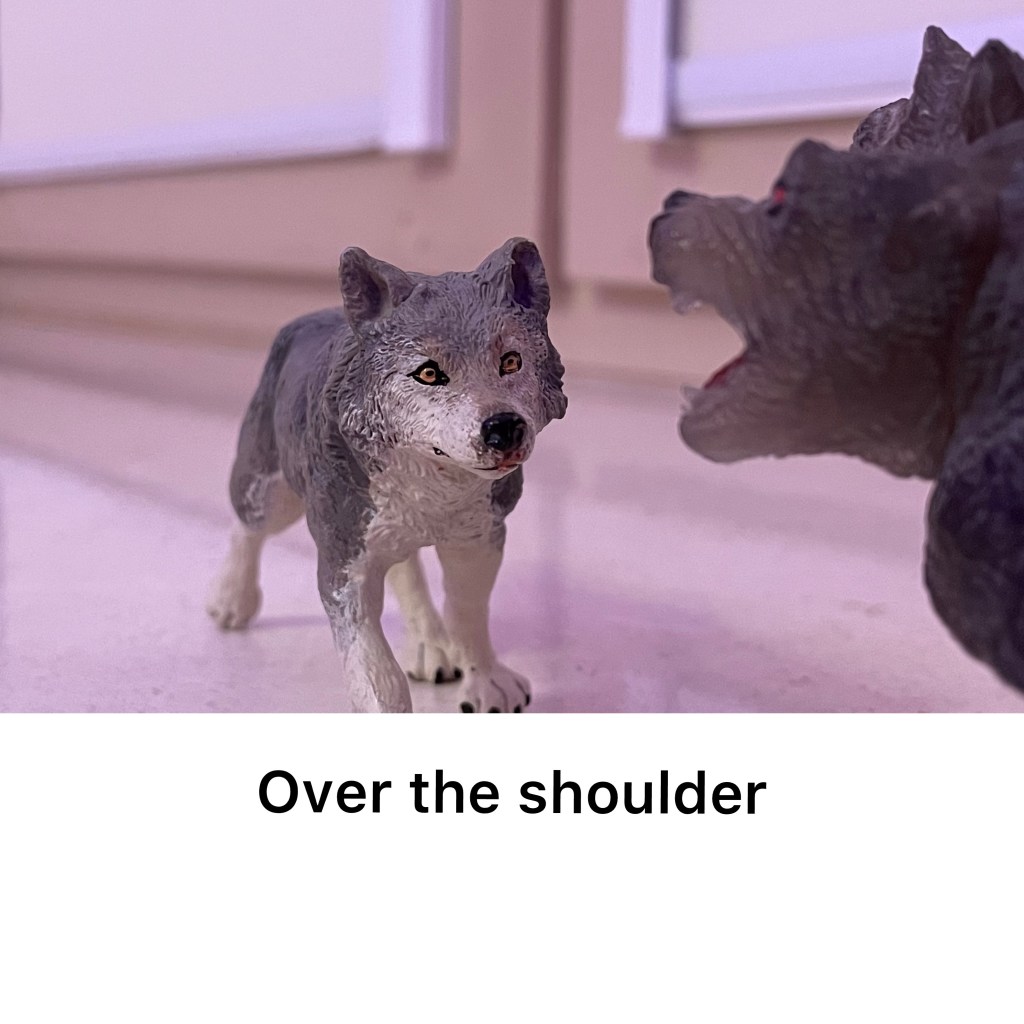
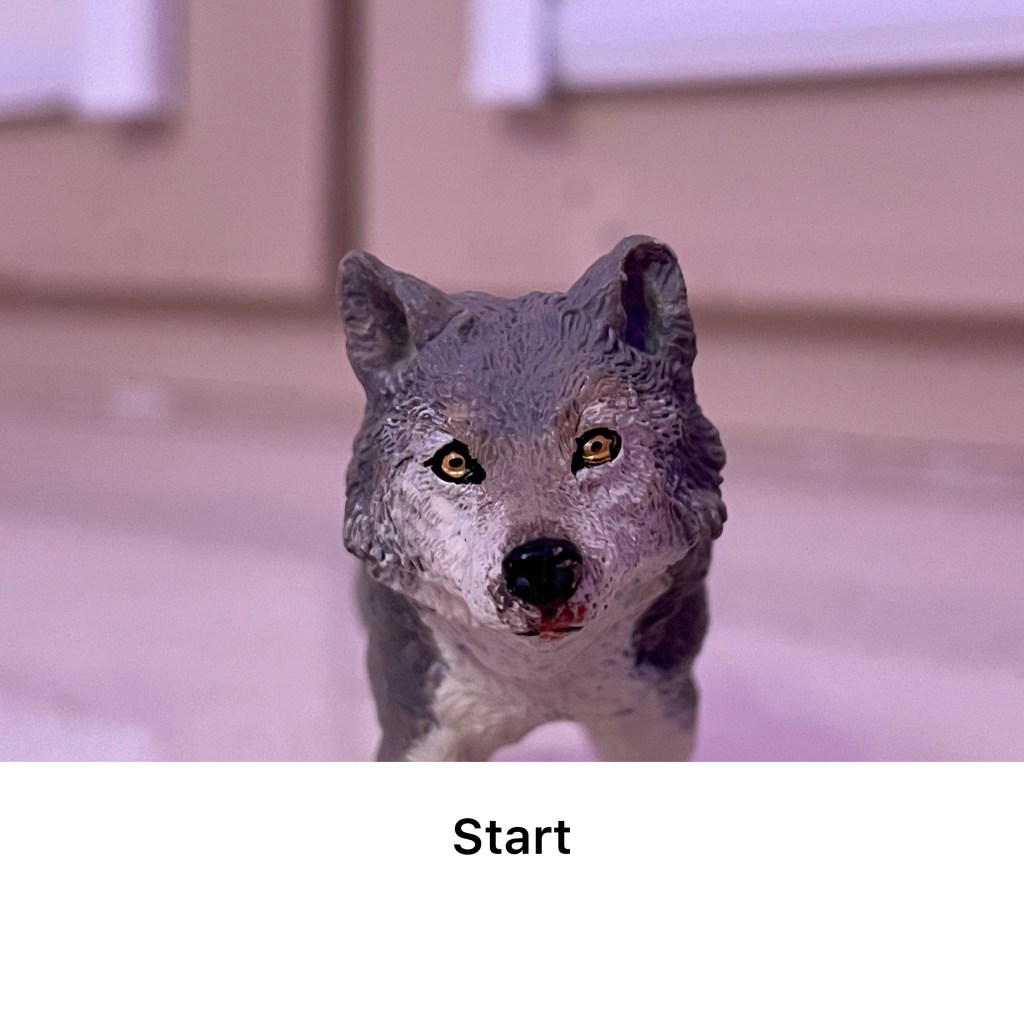
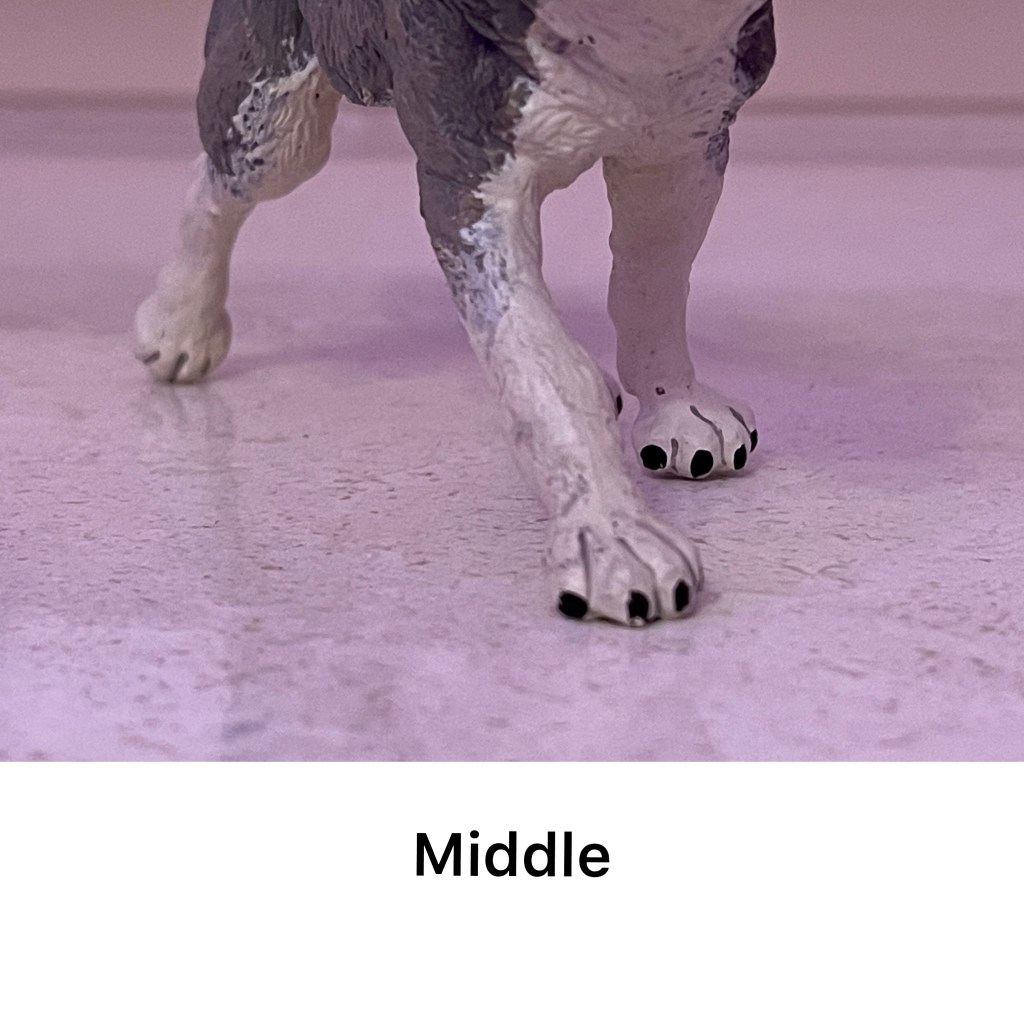
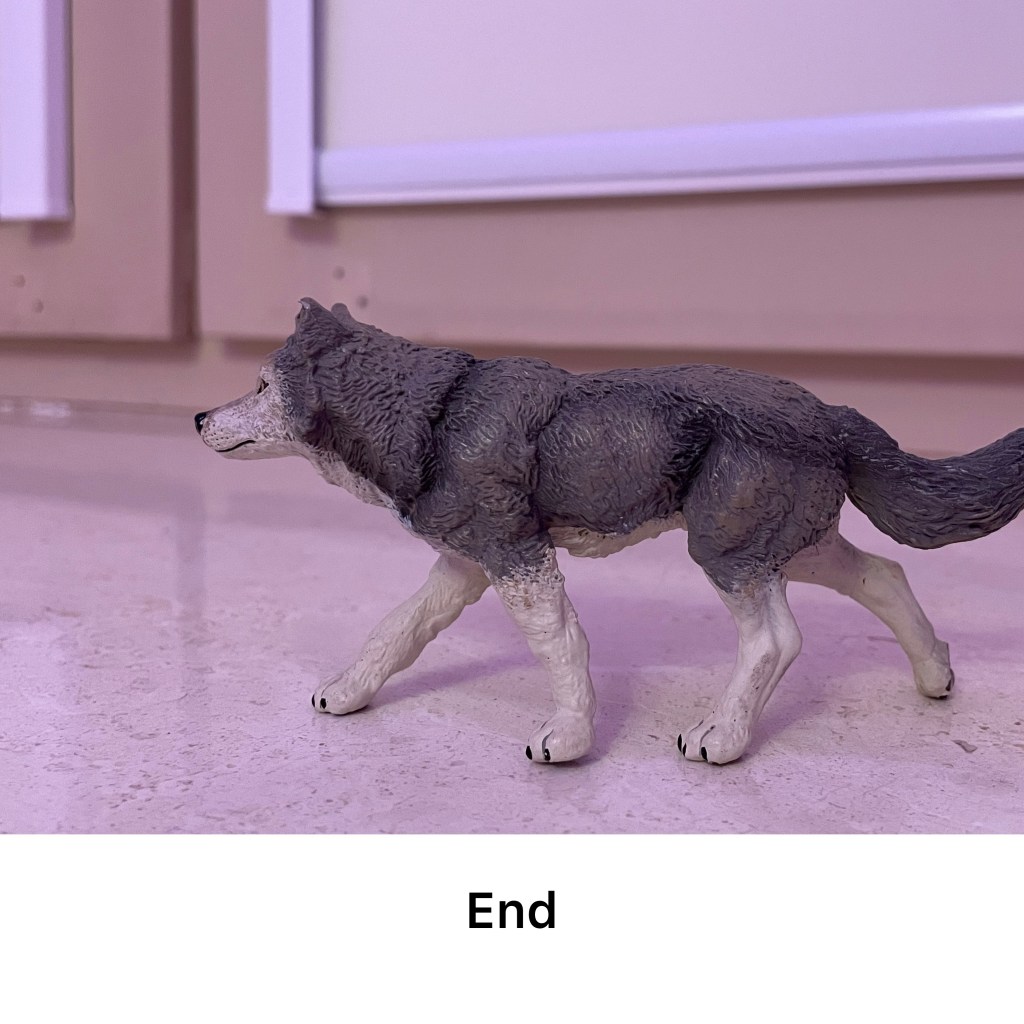

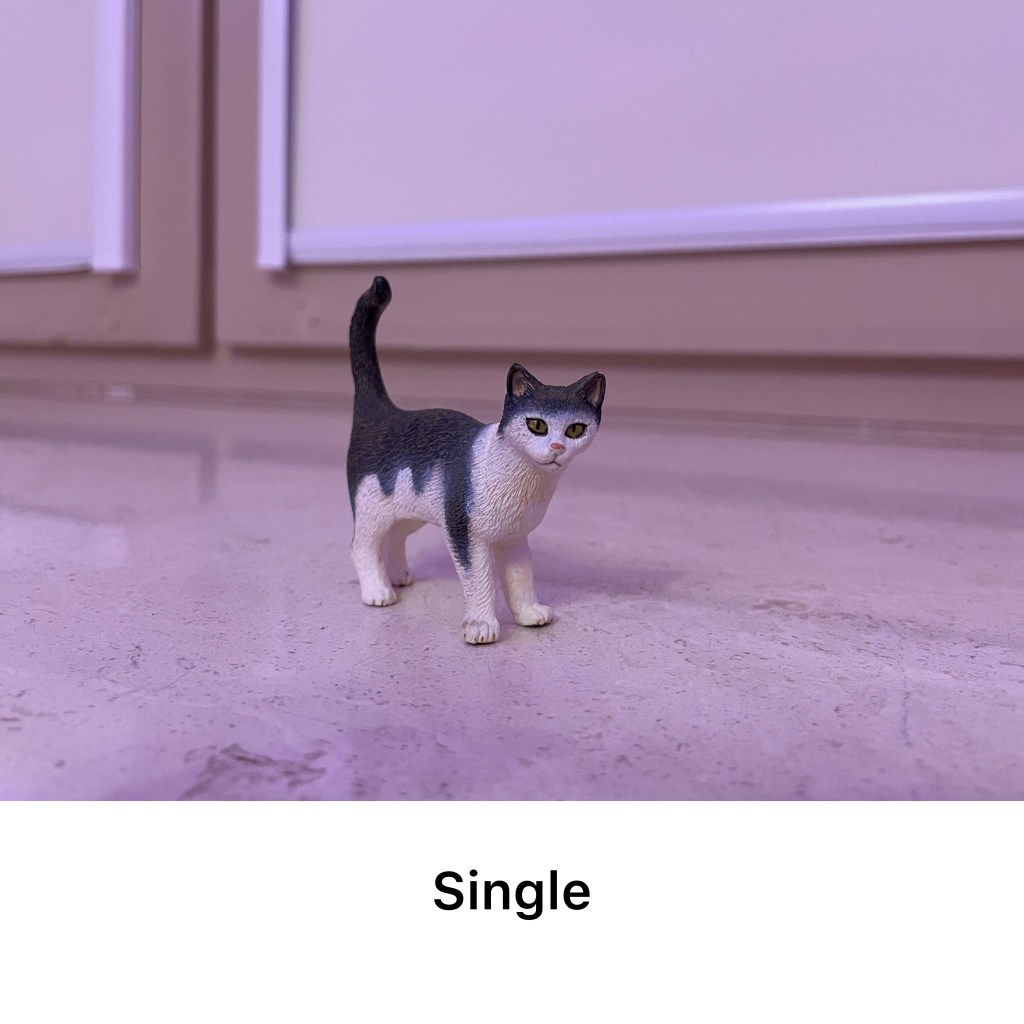


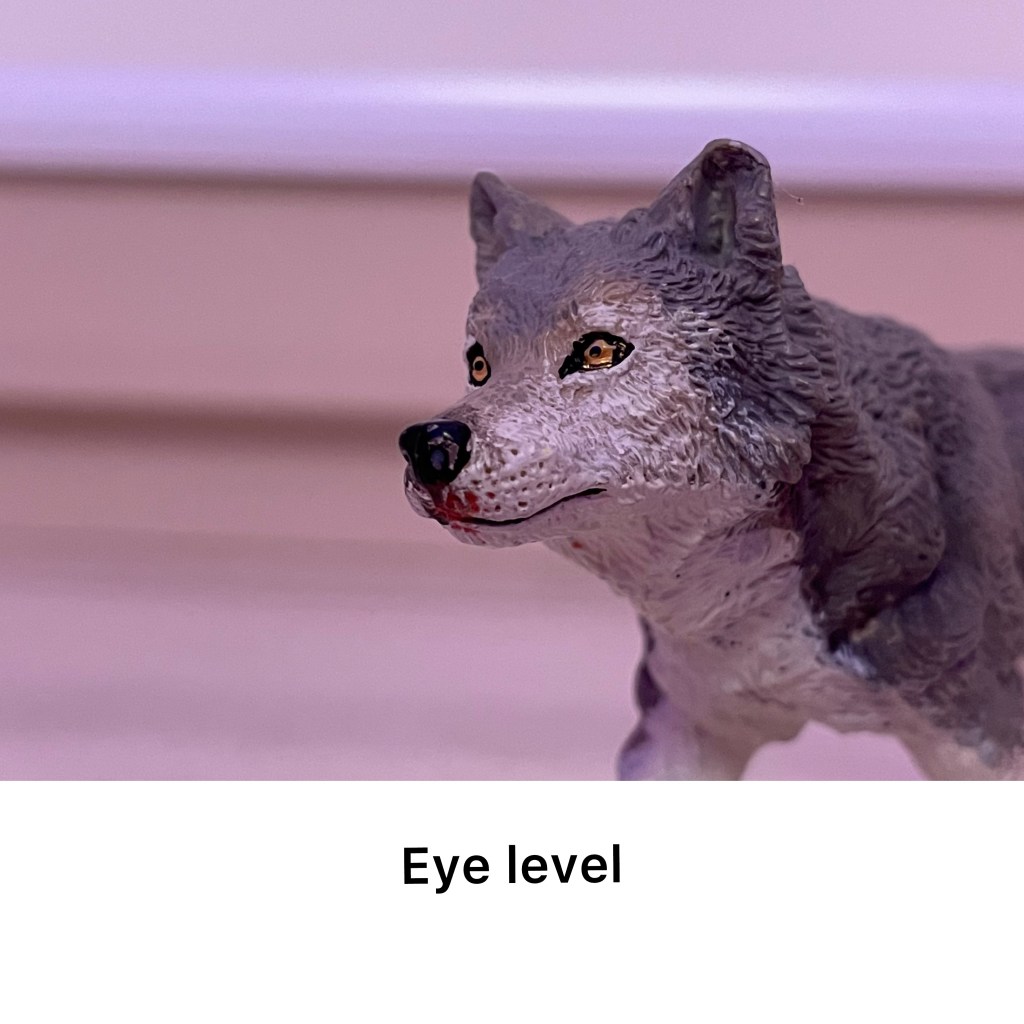
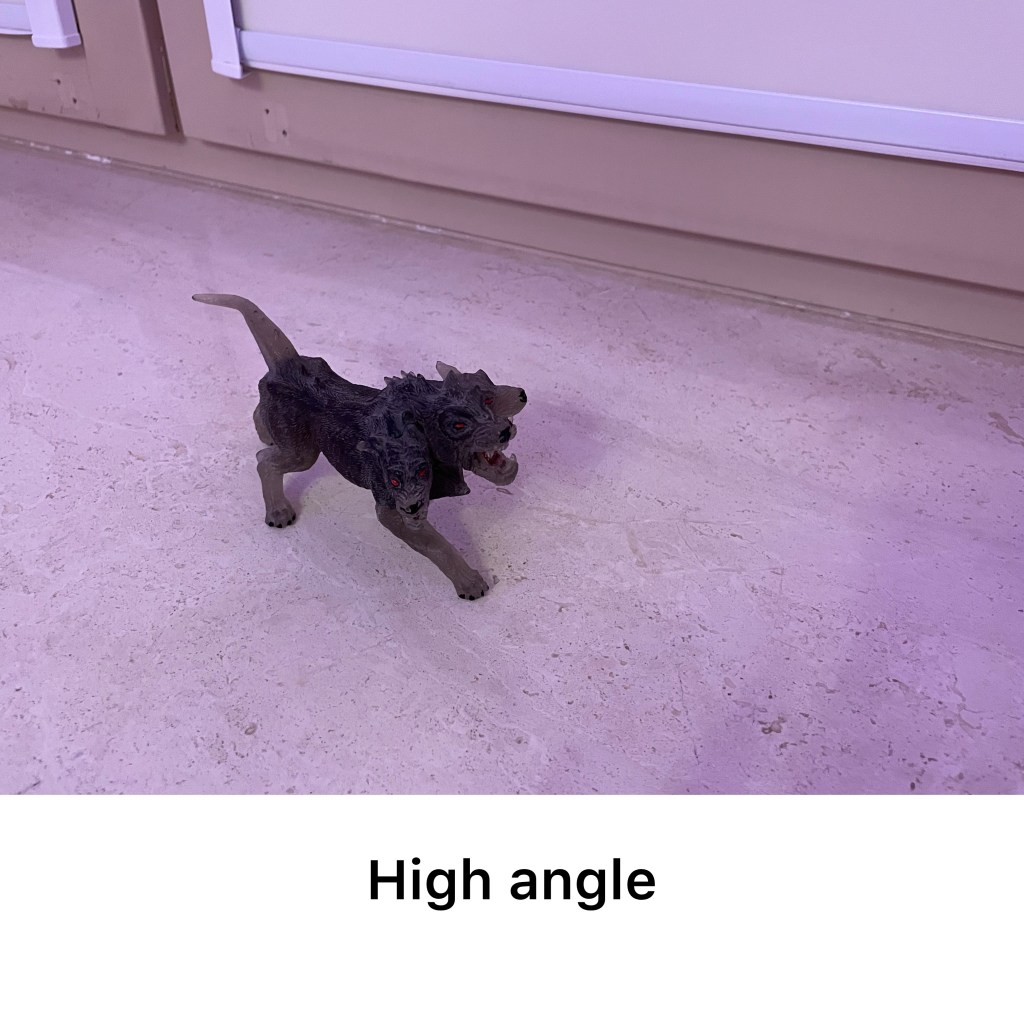
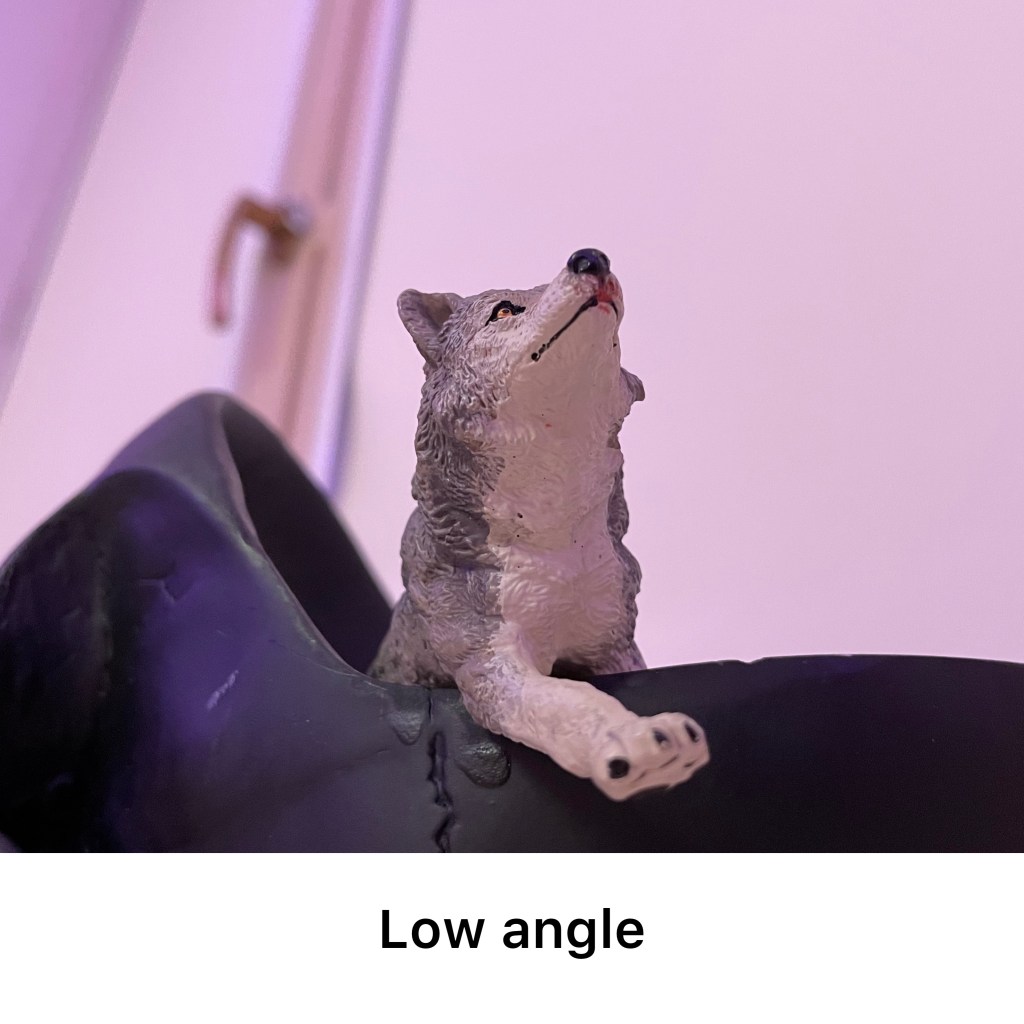
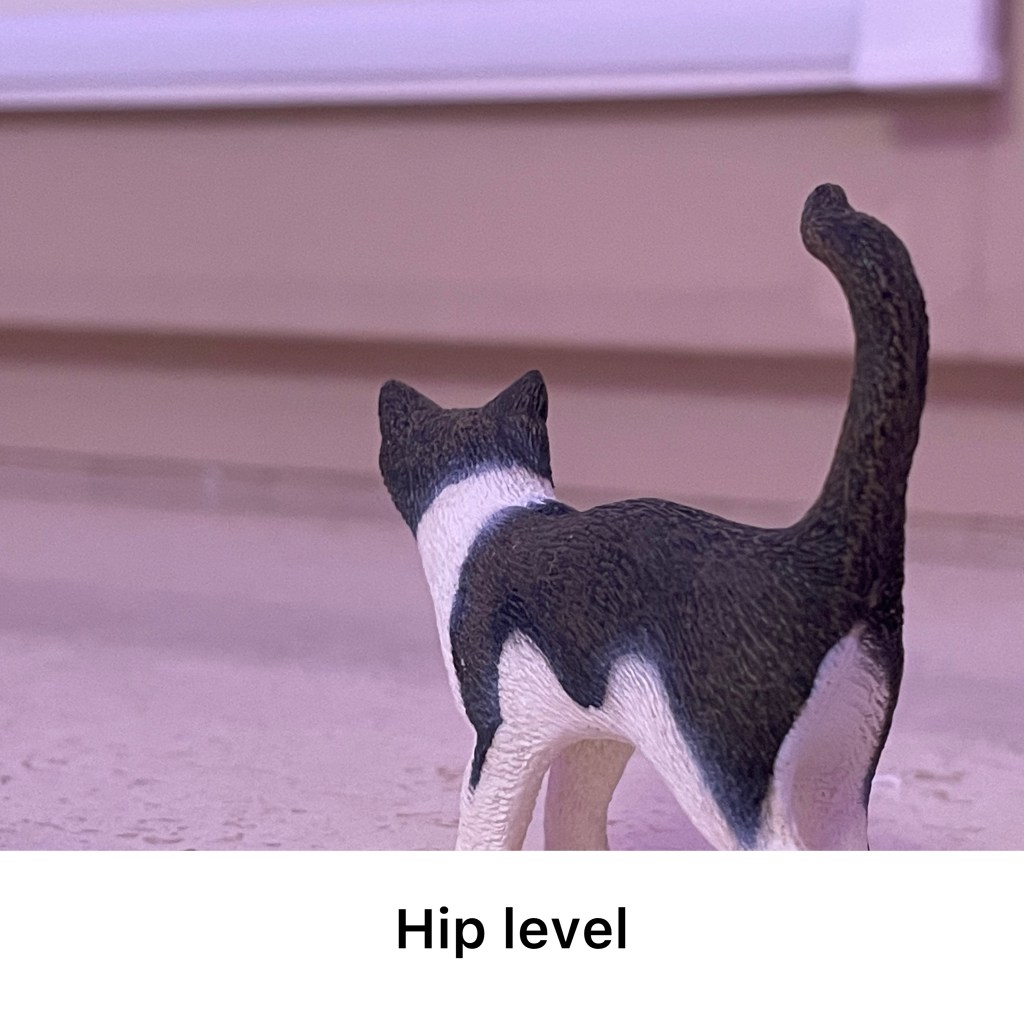
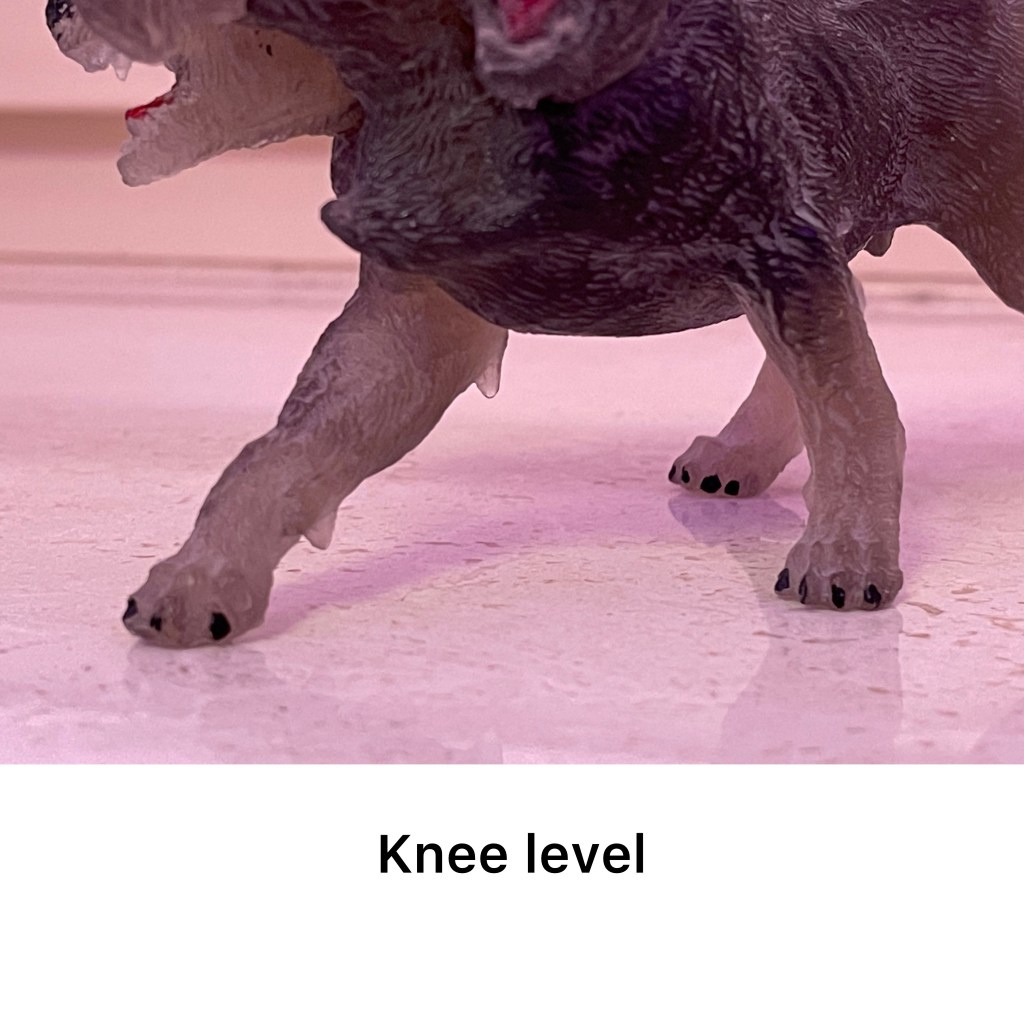
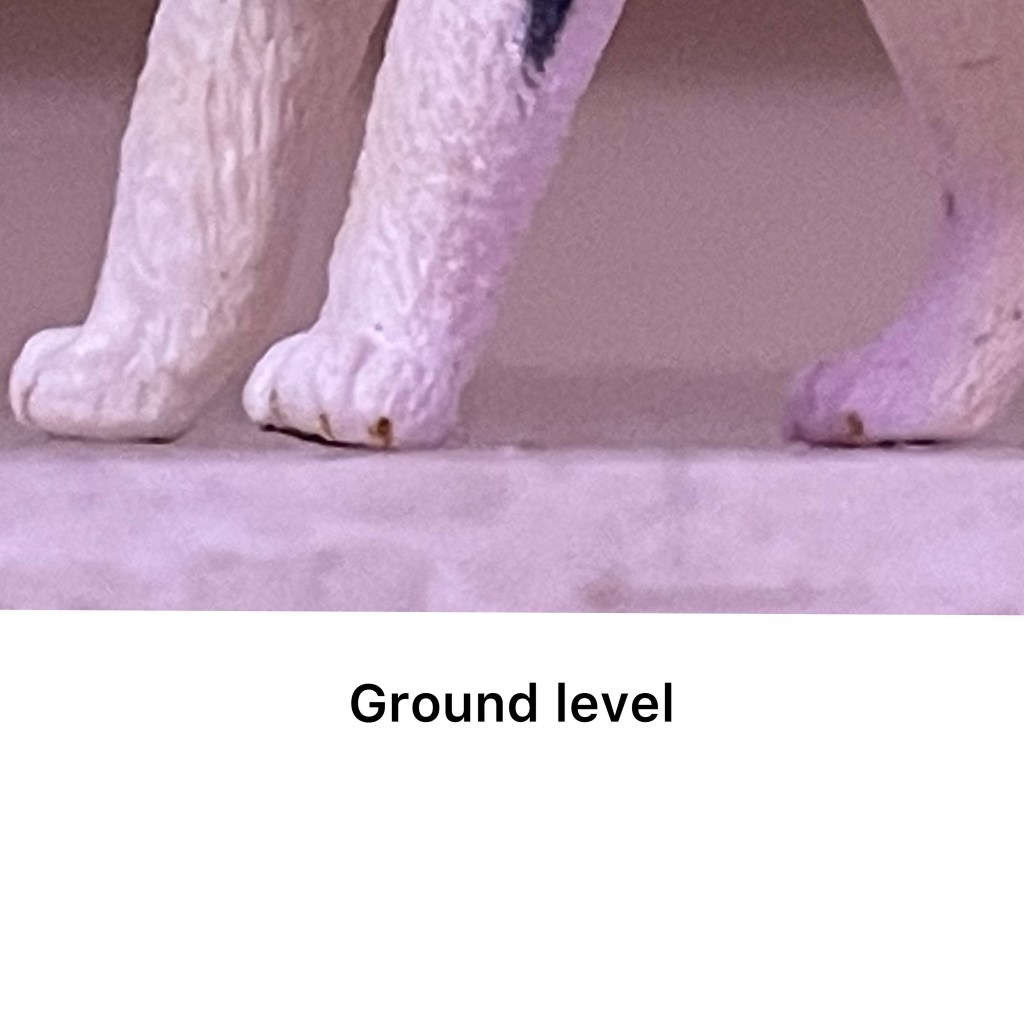

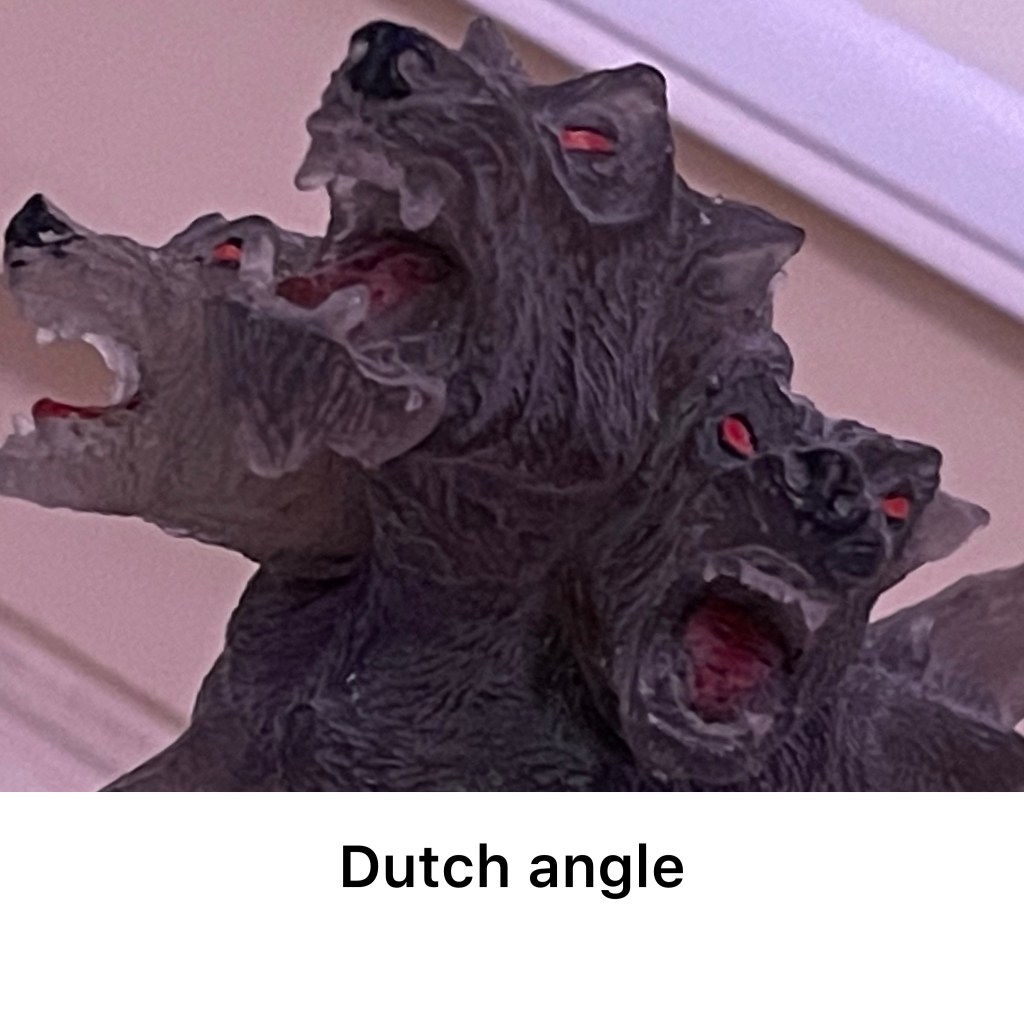


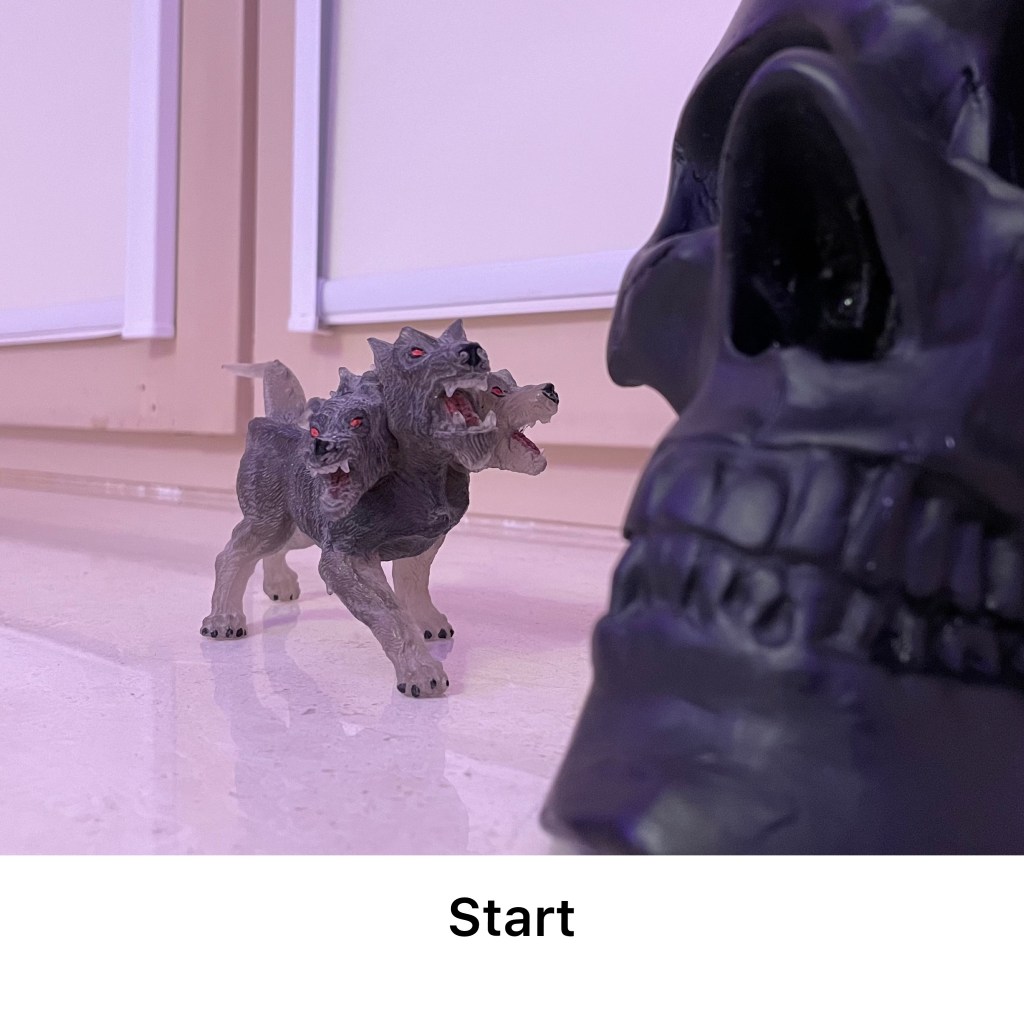
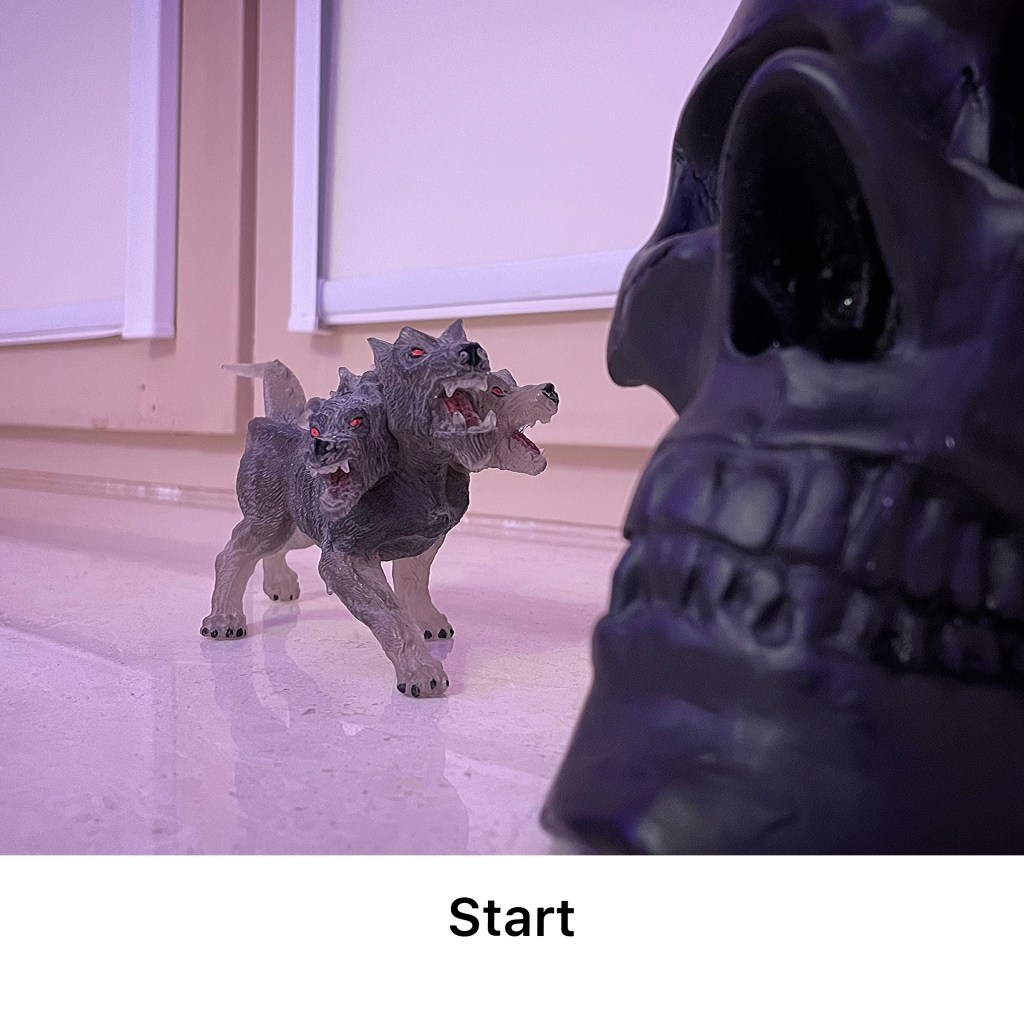
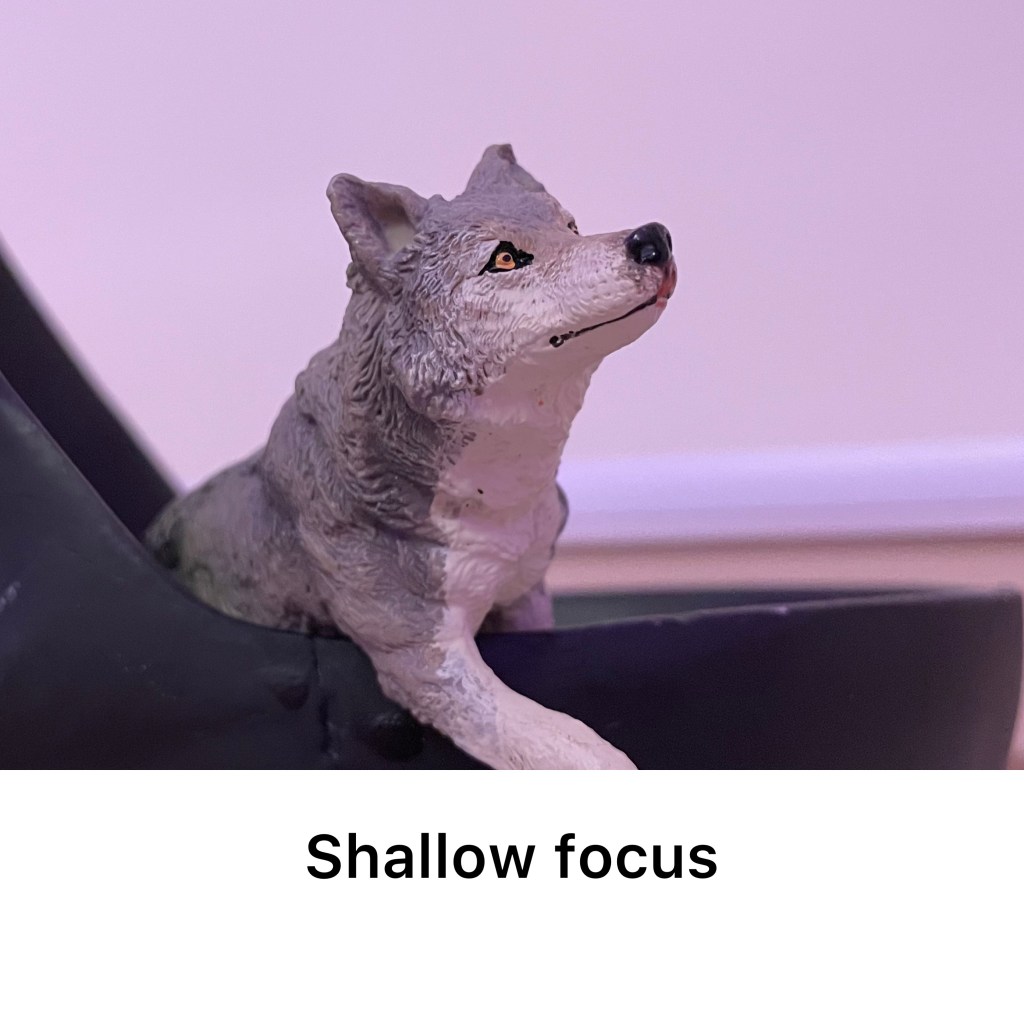


Before we started this task we have studied the camera topic more deeply so we can easily evaluate all the angles and shots and distinguish them. For a photo shoot I chose a solid animals toys including cat, wolf and a hellhound, and took some pictures following the task. As the location I chose windowsill, as it is quiet wide and spacious, and used my phone to take high-quality images.
September – Sound Recording
The second topic we explored on the lesson is “Sound Recording”. We learned how to determine different sound types and use it on practice.
For this exercise I asked my sister(Daria Monastyrenko) to voice the main character and I also took some sounds (e.g busstop, people walking/talking, ball, boys laughing) from the internet websites. I used this website to pick those sounds for the background: https://zvukipro.com
The task wasn’t very difficult, but it was a little time consuming, basically the part with the video editing. Finding and inserting sounds at the right time is not the easiest task, but I was pleased with the result. The easiest part of the task was to come up with an idea for script with a monologue and the essence, which I also did quite well. The process of creating your own mini audio video was quite entertaining, it was a very interesting experience.
October – Mise-en-scene
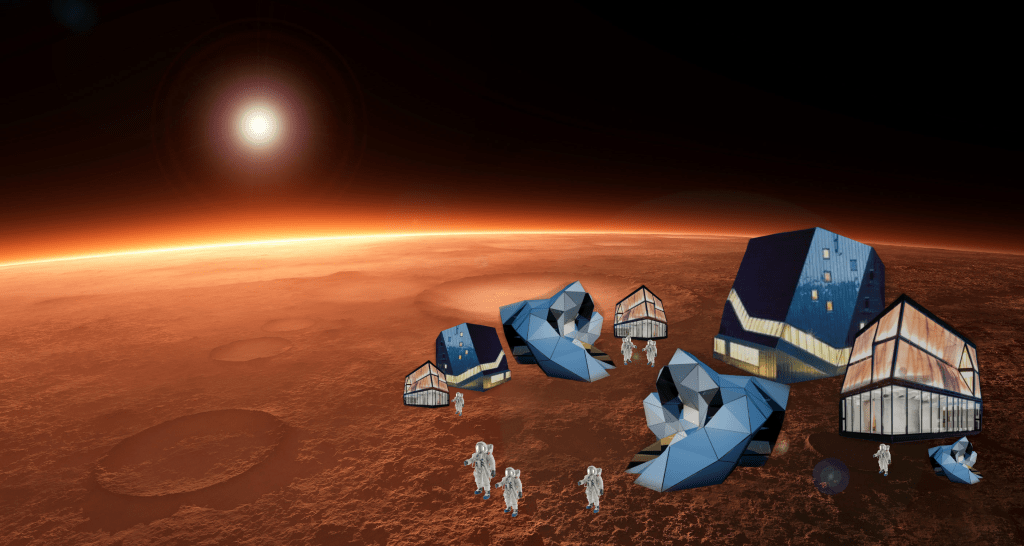
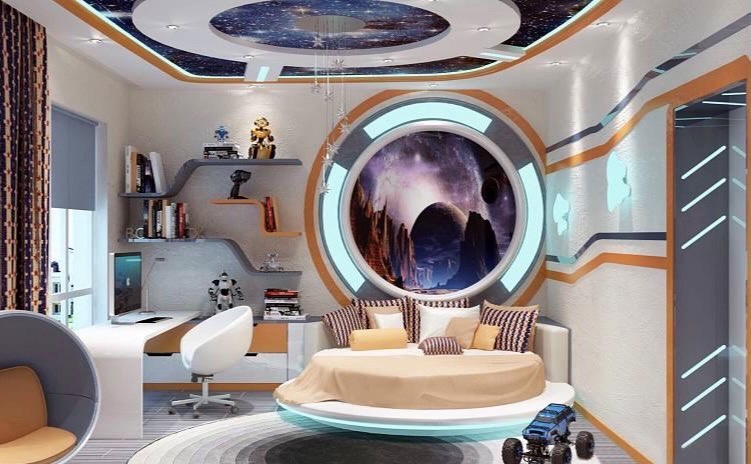
The point of the task was to convey the idea of life in the future based on space and life on other planets and to construct the digital version of how it would look like. We used the pictures of modern houses and people in spacesuits on mars. I was responsible for the picture on the outside of houses and visual representation of life in future, and Kate done the inside model of house.
October – Lightning
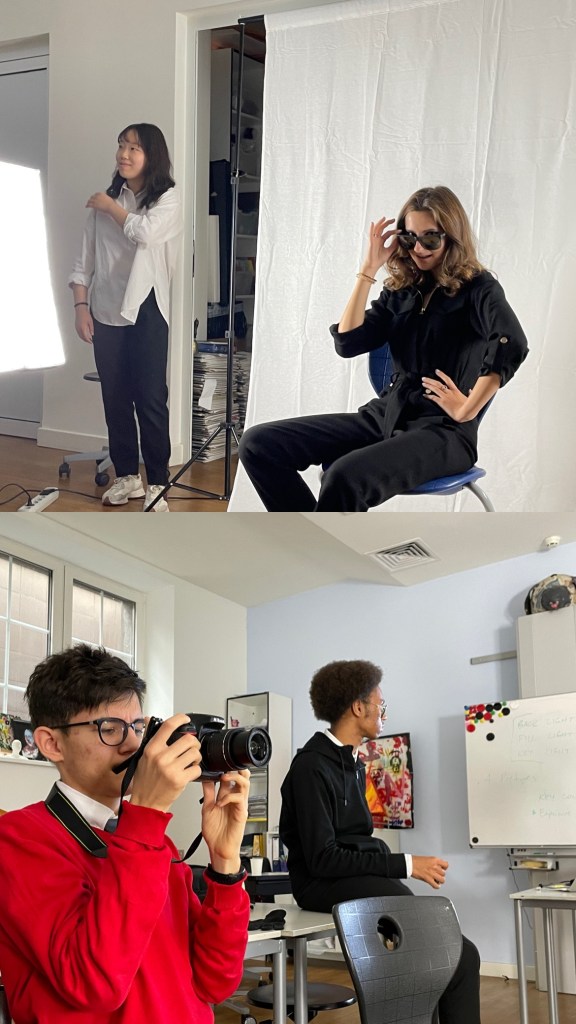
In October we also covered the topic of lighting and how different types of light can affect the context, genre and mood of a film. We installed special equipment and lights in our classroom and photographed each other alternately, changing the foreshortening and angle of illumination to take photos based on different genres.
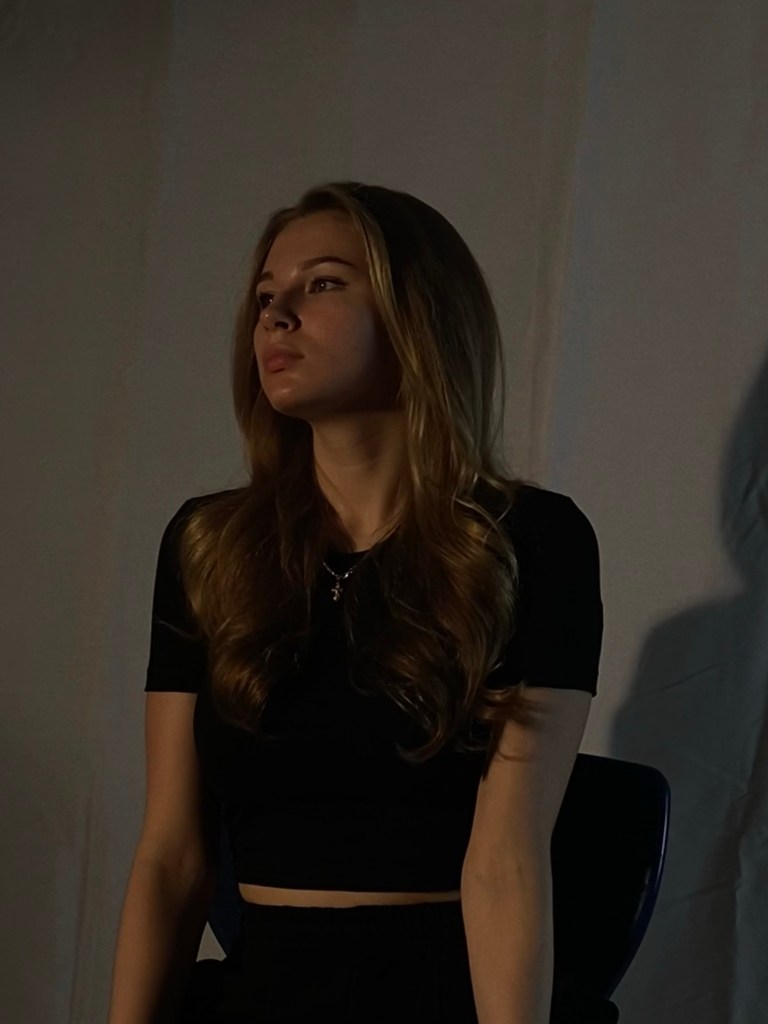
The focus is on the use of shadows and how they create the effect of mystery, tension or drama, which makes it suitable for the genre of drama, melodrama or horror. This type of lighting is used for gloomy scenes, creating a noir style or for night scenes.

Hard light comes from a strong light source, hard lighting creates sharp shadows, it is great for drawing attention to your main object or a certain area of the scene to highlight the outline of the object and emphasize the silhouette.
A direct, controlled light source that is used to create a dramatic effect and convey a horror genre impression.
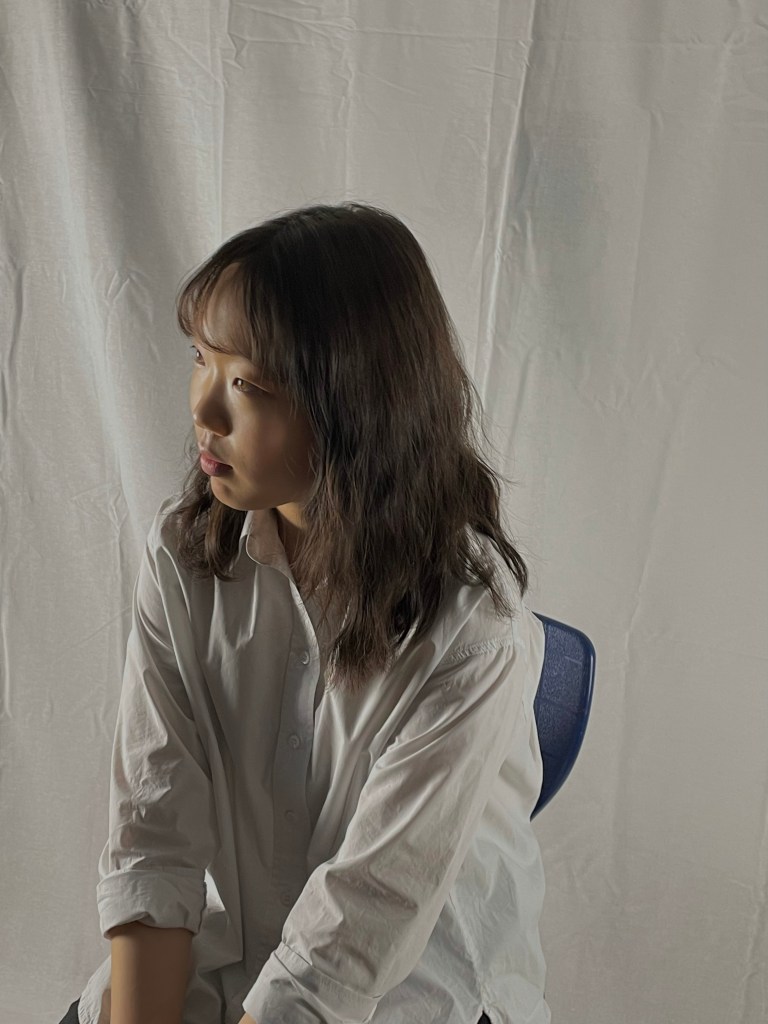
Side lighting is designed to illuminate the scene from the side, parallel to your object. It is often used alone or with a weak fill light to give the scene a dramatic mood or create chiaroscuro. It is very helpful in terms of drama.

Key Light is the main and strongest light source. It is located on both sides of the camera and indicates all objects on the site.
November – Genre and Editing
During the November we went through the topic of editing, we have done the exercise which essence was to take the genre of our film opening and find a film with the same genre, and then produce the trailer for this film but with an opposite genre to learn how to use media language in terms of editing and show the skills of creating a sense of specific genres.
December – Section B practice
Digital distribution has affected audience consumption in the media in different ways. The main idea of digital distribution is to spread the information about the certain media product. I will elaborate on examples within the music industry. Digital distribution is any type of spreading product through media networks, platforms or programmes. It is mainly used in terms of marketing to attract audience by the way of showing media product on different platforms where it is needed and might be useful. In this case, marketing is used to show the finished product to as much people as possible, it is used to increase the public awareness of the media text to attract more instead attention from the consumers. In common, distribution is the process of circulating finished media text to the market, it help people to access finished product through through distribution channels.
In music media area, distribution channels are mostly implies using online platforms like youtube, spotify, soundcloud or apple music – these are the most useful and popular ones. Nowadays, people are mostly interested in listening, creating or criticising different music aspects. People delve into the music sphere and receive satisfaction from listening to music. That is why they are choosing most popular and common platforms, as they are already known and surely comfortable in using. Music distributors and producers know what people are mostly using, so they distribute their media products mostly in a such a platforms to achieve more audiences. For example, to upload a track to digital platforms, you need to select a distribution service that supports these platforms, register with it, and go through the track download procedure, fill in information about the song, pass verification, if necessary, provide documents confirming your rights to the song. The information of new product spreads with a really high speed throughout the internet, as people are discussing the new products and therefore attracting even more people.

To create a media music product the stages of production are considered. Pre-production in music sphere is when products delve into research – what is interesting for the moment? what is more fashionable or modern? What can attract the audience? For this, they look for at other examples of media product, take some points that make it interesting and pleasant to listen, and using it inside production. During the production they are using those points, mixing them up with the main idea, but sometimes products taking others ideas to copy and receive a new portion of attention by provoking the audience. While production, they consider the details of successful products to create something modern but not ordinary. While post-production, producers cleaning the product and creating snippets to attract audience interest and make people to support it and wait until original release. In this case, marketing is also influenced, as they warm up the consumer interest by publishing the most interesting part of the product on the networks, makes people want to listen the whole final outcome. Sometimes, authors are making collaborations to distribute each other to their audiences. This method is called synergy within conglomerates.
The good example of music producers and distribution could be “Instasamka”. It is a young girl who receives millions or billions of viewers on her provocations in the interviews, and she supports her status with the help of provoking music. Most people are not very smart, so they believe that they had to be active and comment on her media texts negatively, but otherwise they supports her status by providing active discussions which makes her more famous also as an author. She receives more negative attention by provoking people and making money on them, therefore she still gaining some fans. Her songs are mostly based on the theme of money, wealth and debauchery.

She uses a fairly open style of clothing and deliberately overdoes makeup and unnaturality to maintain her image. The covers of her albums also clearly show her image, only to a more exaggerated degree.


This is a great example of distribution because Instasamka use many swearing words, provoking phrases and vivid appearance. She is making a hype on negative situations and conflicts that she creating by herself, providing them regularly to keep her personality more famous and well-known between people in the world, and this create tension with audience, so young modern world listen to her music, even if it has no point, but her status helping her to keep her personality famous.
January – Contexts and Genre
In January we studied the topic of different media contexts. We were given different series that we had to watch and analyze from the point of view of contexts. I had to analyze episode 1 of season 3 of the series “Black Mirror”.
1. Social Context: The social context is the context based on a society in which the film was made. In this episode, social context is represented by the world in which the status of people is determined by their rating on social networks, which can be influenced by other people. In this generation, all aspects of a wealthy life, such as the place of residence that you can afford, the job you can work at, the services of doctors or transport, depends on your status. If your status is below a certain number, then access to vital things is automatically restricted to you, and that’s why the main character of this episode is diligently trying to please everyone around her, putting on the mask of a good-natured and generous woman in order to increase her rating and afford herself to move to a new place. In this episode, it is clearly expressed that all people walk with their faces buried in the phone, which shows dependence on gadgets and conveys a social context, generalizing mass addiction, as everyone is trying to please each other, and therefore flatter.

2. Cultural Context: In terms of culture, this episode shows the cultural context with the help of clothing, society, manners of communication, buildings and behavior. In this episode, the average social status is mainly shown, but the buildings look as modern and clean as possible. Also, people behave with restraint, do not run into conflict, observe cleanliness, which is due to the fear of getting a low rating. There are also people of low social status present, who do not support a generally accepted lifestyle because they are not afraid to get a low rating, respectively, they do not have the opportunity to live an ordinary life like most people, and their living conditions and relationships with other people are very different, since they do not support the basic culture developed in the new world, therefore they are stuck in the past and have no opportunities.

3. Historical Context: On December 4, 2011, the pilot of the dystopia “Black Mirror”, an advanced satire on a society dependent on high technology, was released on Channel 4. This series shows various modern technologies of the future, which eventually begin to be developed in the real world. This episode is dominated by the topic of ratings that people give each other in everyday life. Nowadays, similar technologies are already being actively developed, for example, in a taxi, where you can assess the driver, on which his status and success at work in front of his superiors will depend. In 2018, 17.5 million people in China were refused to buy tickets for public transport because of the social rating. Accrual of points for “good behavior” and withdrawal for misconduct is a reality that has become possible thanks to large databases. Now they determine the fate of the citizens of the most populous country in the world. A number of episodes show the same technique (mobile phones, different devices) — perhaps their action unfolds at about the same time. All this leads to the idea that most of the series of “Black Mirror” take place in a period limited to a few years around the 2030s.

4. Technological Context: This context was conveyed by the usage of certain effects used in the episode. Editing technologies were used to convey the genre of the series. For example, the rating of other people that can be seen with the help of “smart lenses” or “smart house” with holographic characters.

February – Section A practice
The extract shows the scenes with woman showing other woman the city, school and her friends. As it seems for the first view, the way she looked like contracts an opinion of a stereotype of blondes, who is obsessed with style and glamour, which is conveyed by her appearance. She is wearing a bright dress, which seems quite fashionable at first glance in the context of this film. She also wears a dark glasses, red jacket and nice shoes, which creates an opinion of a quiet fashionable woman, while red colour grabs an attention of audience and people surrounding her, what makes character’s MES look more feminine. Her voice is quite loud, what makes her character more vivid and communicative, as she knows most of the people in the neighborhood and starts a conversation with every acquaintance she meets. The second character is a basic girl with a grey simple sweater, ponytail, shoulder bag and black jacket and hair, those details makes her character looks ordinary and creates an impression of a woman who doesn’t know anyone around and is only adapting to a new area and knows only one person so far(blonde woman). Her voice is low and quiet, which makes her character more simple and basic, and dark coloured clothes and hair more dull. The background include school, masses of people, which creates an impression of beginning of school, because of adults and their children dressed in school uniforms. The weather and bright trees create showing end of the summer, as they also have mentioned the question such as “how was your summer?”.

The camera shots include mostly medium and wide shots in order to clearly show the gestures and appearance of characters, and also over the shoulder shots to show dialogues and emotions of characters talking to each other so it would be easier to recognize it by those types of shots. In some scenes, the close-up shots were used in order to show an emotions of some characters and their reaction on some phrases. The two and three shots were also used to show who is talking in certain scenes and also dialogues of two or more characters. The basic shots like medium or wide were used to put accent on what are the characters are talking about and parallel to this show background. The scene in cafe clearly shows that it is basic and inexpensive, as a lot of basic people wearing a simple clothes are sitting there, what construct a meaning of people of mid social level.
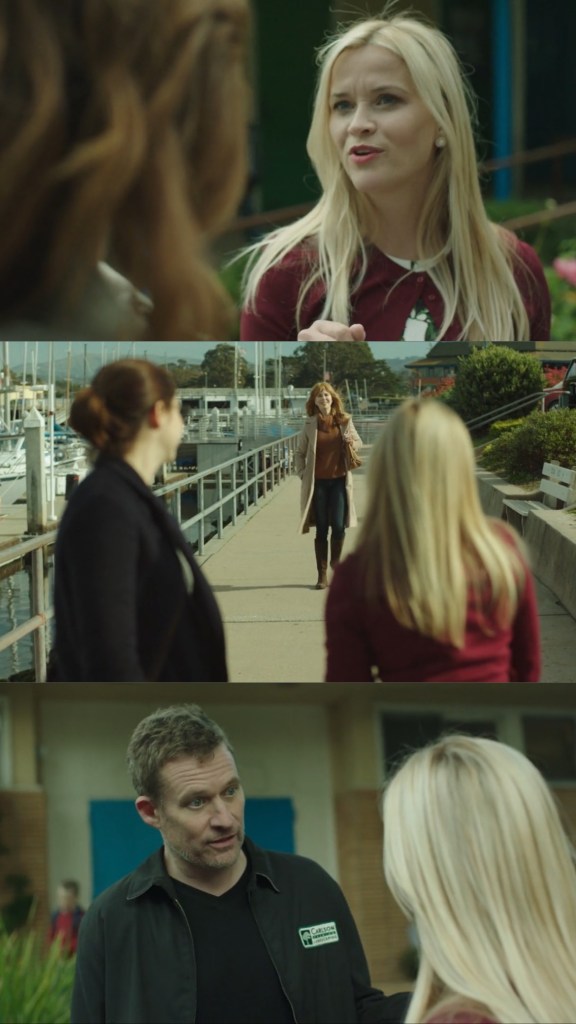
The extract contain no soundtrack or music, but background sound of cars, people talking and kids screaming were used, which refers to diegetic sound, in order to also create a meaning of being outside near the school. The shots and scenes are changing slightly and nearly insensibly, so the viewer could concentrate on what characters are saying, as the film is based on communication and relationships between characters, but not on transitions and effects of camera. The focus is only on main characters so it is easier to concentrate on their appearance and words shortly, the extracts express the meaning of middle social groups of people communicating with each other, discussing everyday life and shallow aspects of life on the start of school day, with an accent on bright woman who works with kids and know everyone, showing everything to a new local woman, refers as her “new friend.”
The camera shots include mostly medium and wide shots in order to clearly show the gestures and appearance of characters, and also over the shoulder shots to show dialogues and emotions of characters talking to each other so it would be easier to see it by those types of shots. In some scenes, the close up shots were used in order to show an emotions of some characters and their reaction on some phrases. The two and three shots were also used to show who is talking in certain scenes and also dialogues of two or more characters. The basic shots like medium or wide were used to put accent on what are the characters are talking about and parallel to this show background. The scene in cafe clearly shows that it is basic and non expensive, as a lot of basic people with simple clothes is sitting there, which construct a meaning of medium level social group people.

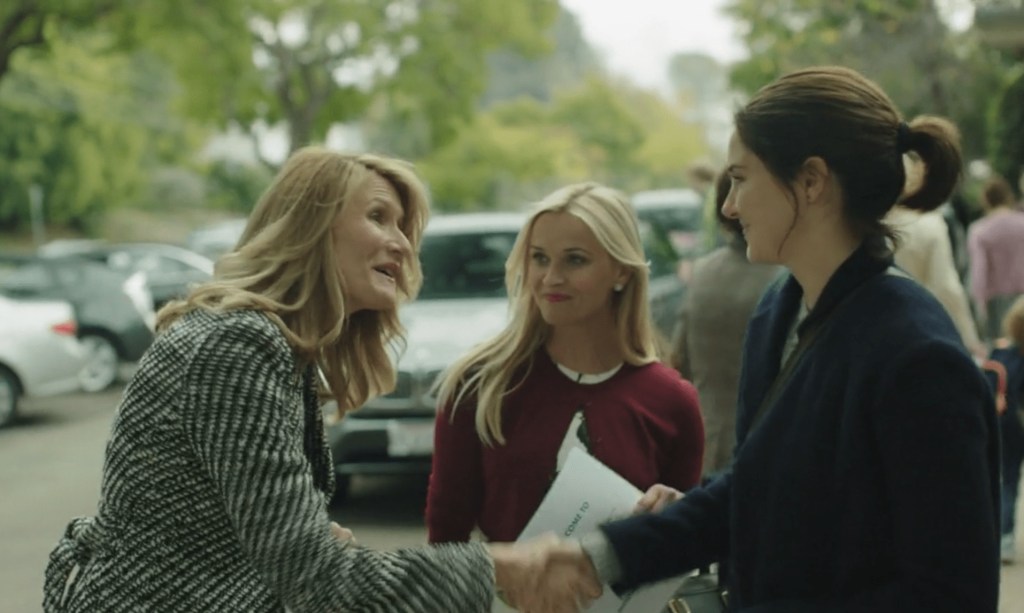
The extract contain no soundtrack or music, but background sound of cars, people talking and kids screaming were used, to also create a meaning of being outside near the school.
The shots and scenes are changing slightly, nearly unseen, so the whatever could concentrate on what characters are saying, as the film is based on communication and relationships between characters, but not on transitions and effects of camera. The focus is only on main characters so it is easier to concentrate on their appearance and words shortly, the extracts express the meaning of middle social groups of people communicating with each other, discussing basic life things on the beginning of school day, with an accent on bright woman who works with kids and know everyone, showing everything to a new local woman, refers as her “new friend.”

 Foundation Portfolio